Folsom, CA · Garage Door Service
Garage Door Repair Built Around Folsom's Housing Stock
Folsom Garage Door Pros fixes springs, openers, and tracks on the 1962-2004 housing stock that fills Folsom and the surrounding area. Call for same-day service.
- Repairs & new doors
- Springs & openers
- Serving 8 nearby communities
What We Do
Garage door services in Folsom
From a snapped spring to a full door replacement - repairs, springs, openers and new doors.

Garage Door Repair
Off-track doors, snapped cables, bent panels and grinding openers - diagnosed and fixed.
Learn more
Spring Repair
Torsion and extension springs replaced safely - the job you should never DIY.
Learn more
Off-Track Repair
Doors jumped the track re-set, aligned and re-tensioned so they run true.
Learn more
Cable Repair
Frayed or snapped lift cables replaced and balanced against the springs.
Learn more
Emergency Garage Door
Fast help for a door that's stuck, off-track or won't secure.
Learn more
Panel Replacement
Dented or cracked sections swapped for a match without replacing the whole door.
Learn moreCommon Problems
Garage door problems we fix in Folsom
A stuck or broken garage door can't wait. Call and tell us what the door is doing - a snapped spring, a frayed cable, a door off its track or an opener that won't respond - and leave a spring-loaded door closed until a tech has looked at it.
- Broken springs and snapped cables
- Doors off the track or stuck shut
- Opener, remote and sensor failures
- Noisy, slow or unsafe doors

Why Folsom Calls Us
How we work on Folsom garage doors
How It Works
Getting your door fixed is simple
Tell us the symptom
Call or request a quote and describe what the door is doing - noise, off-track, won't open.
On-site diagnosis
A tech inspects the springs, tracks, opener and panels and gives you a written price first.
Repaired or installed
Most repairs are done on the same visit; installs are scheduled around you.
Our Work
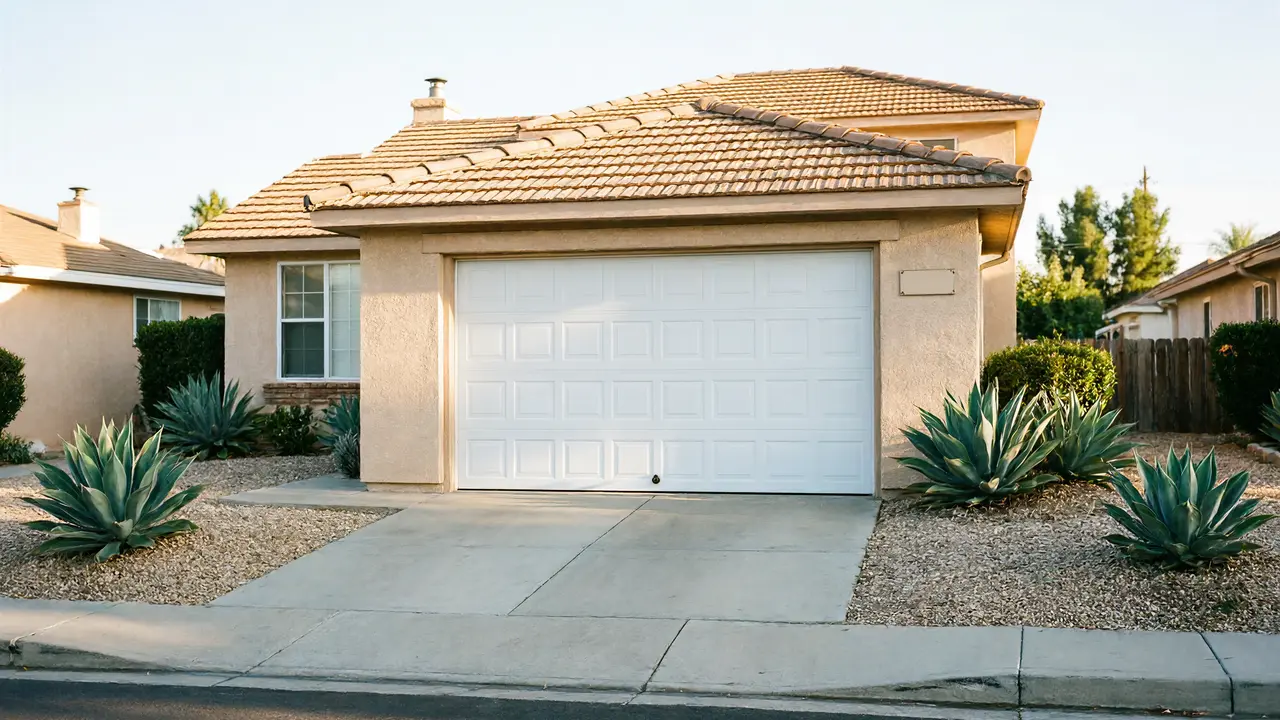
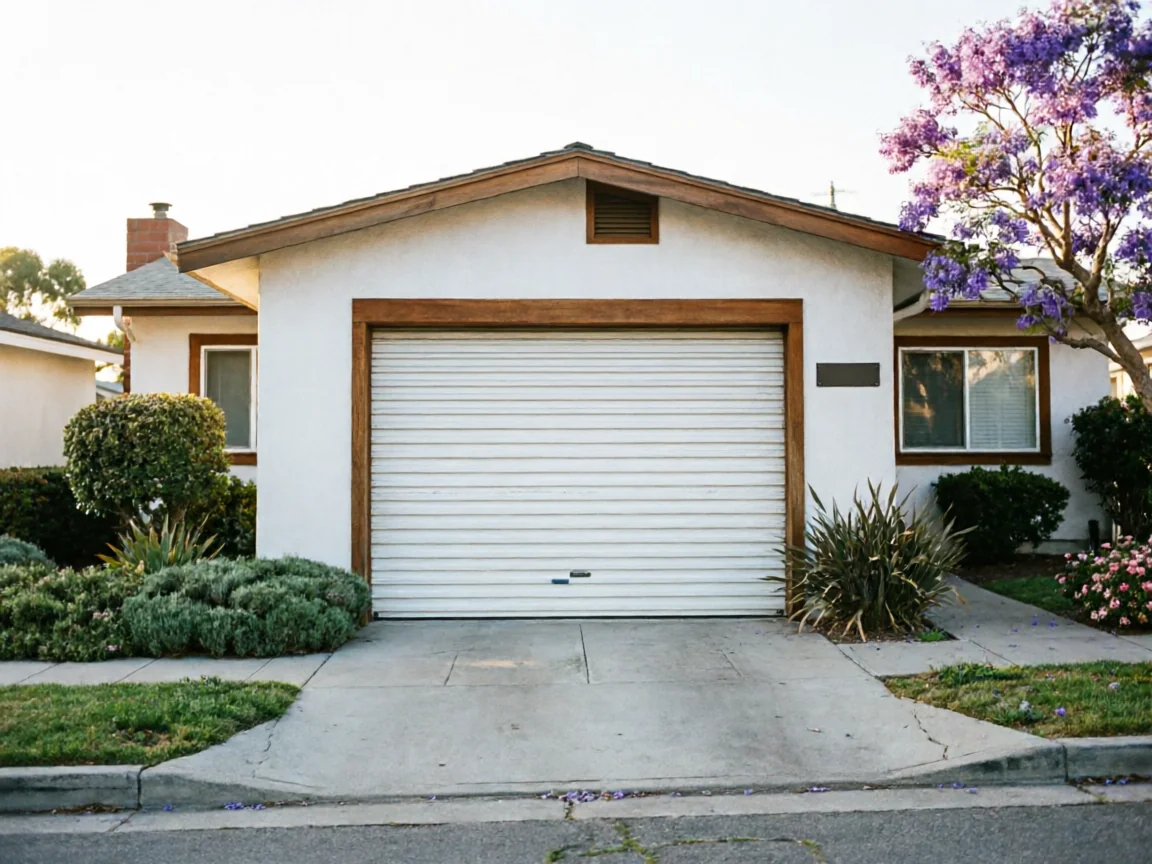
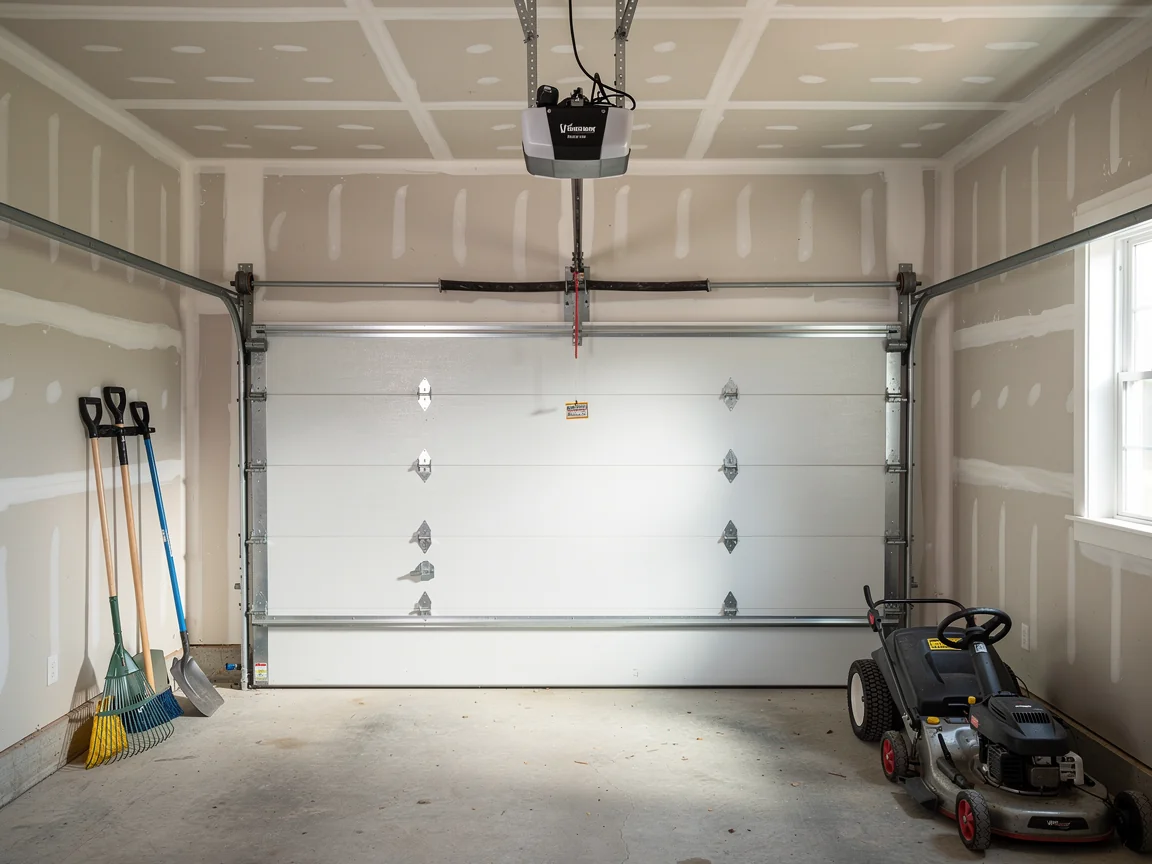
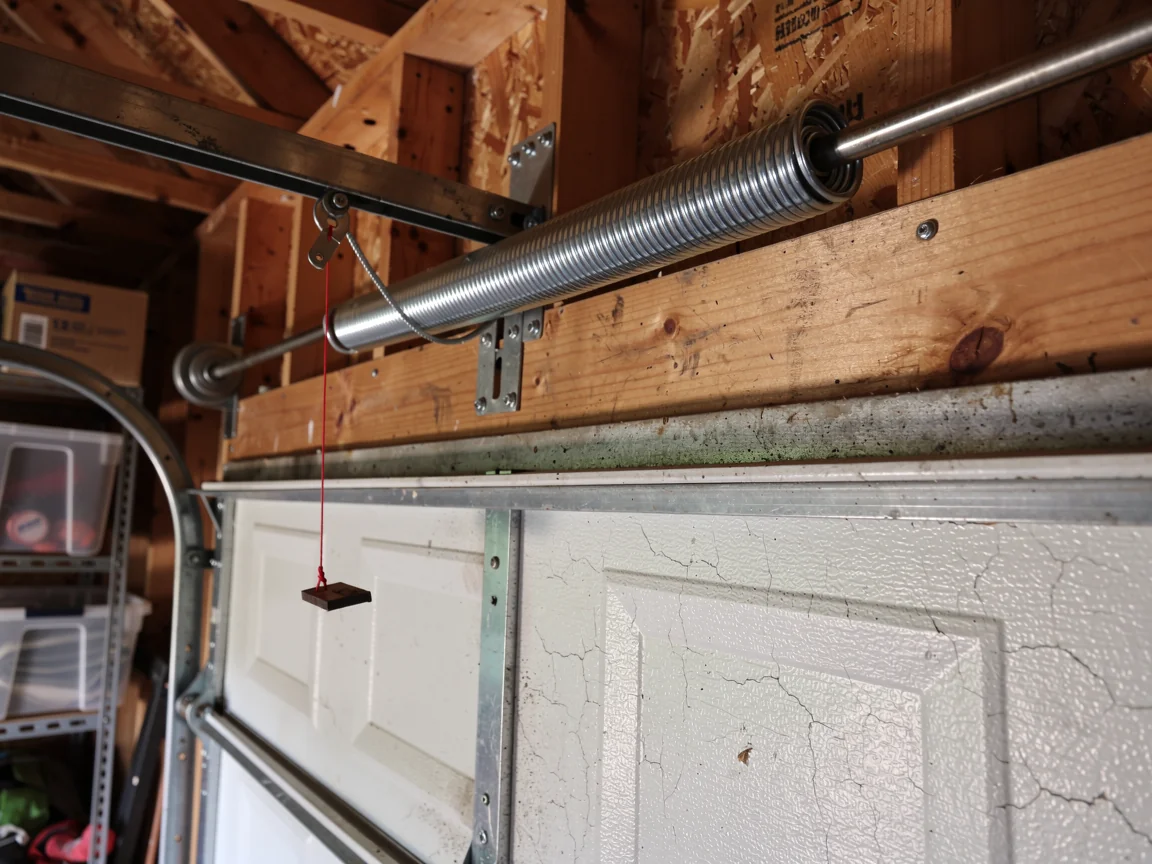
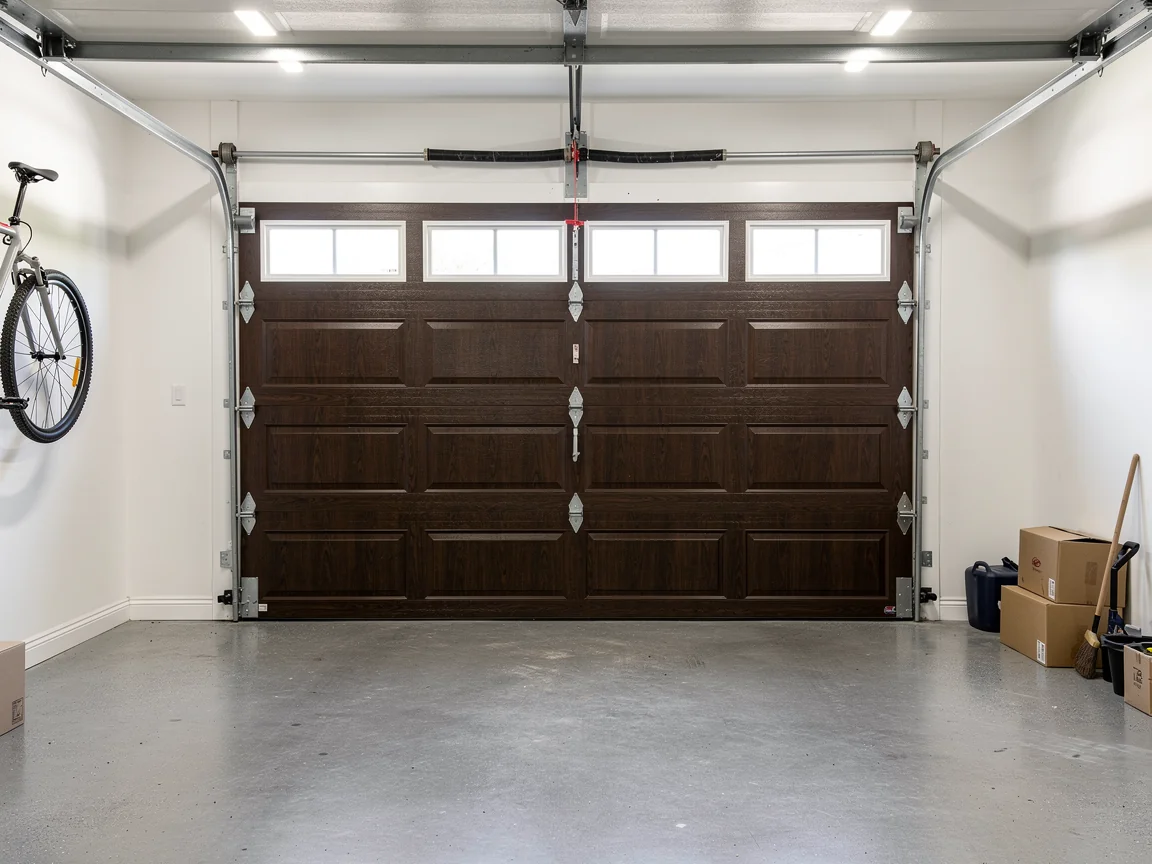
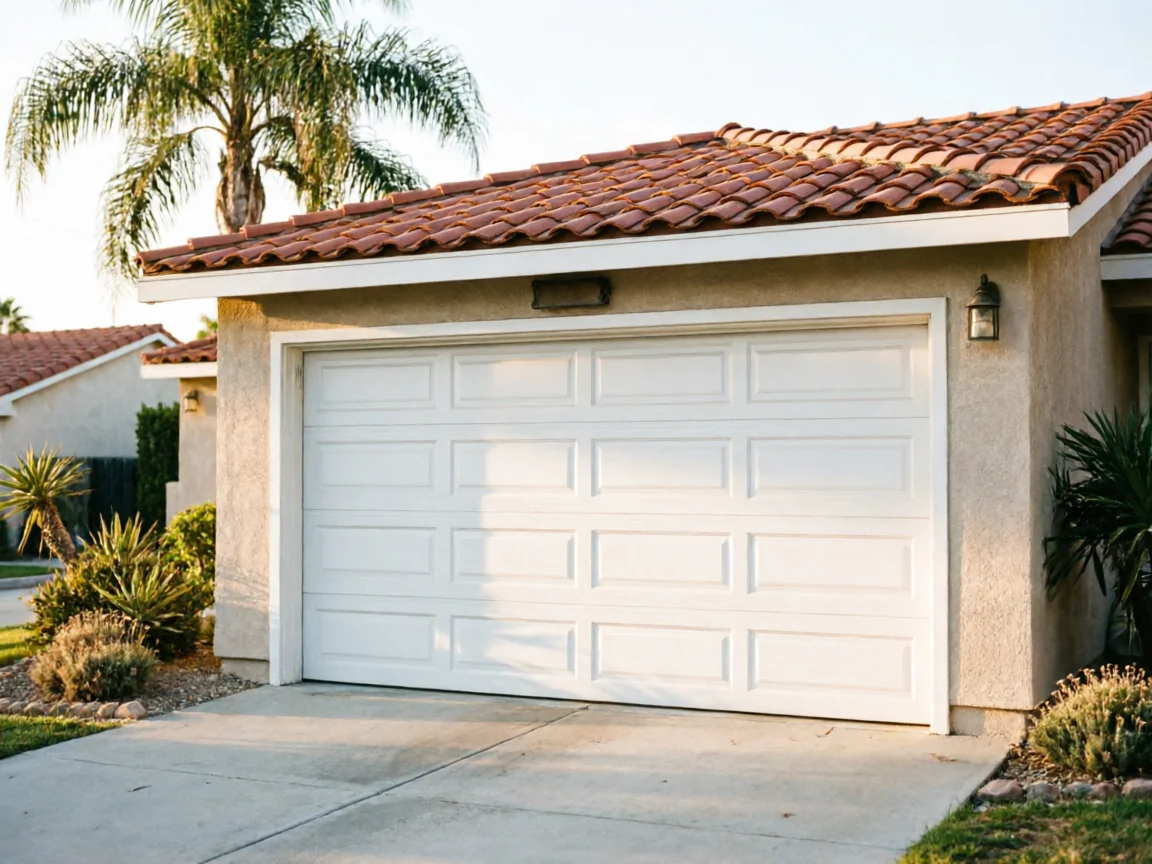
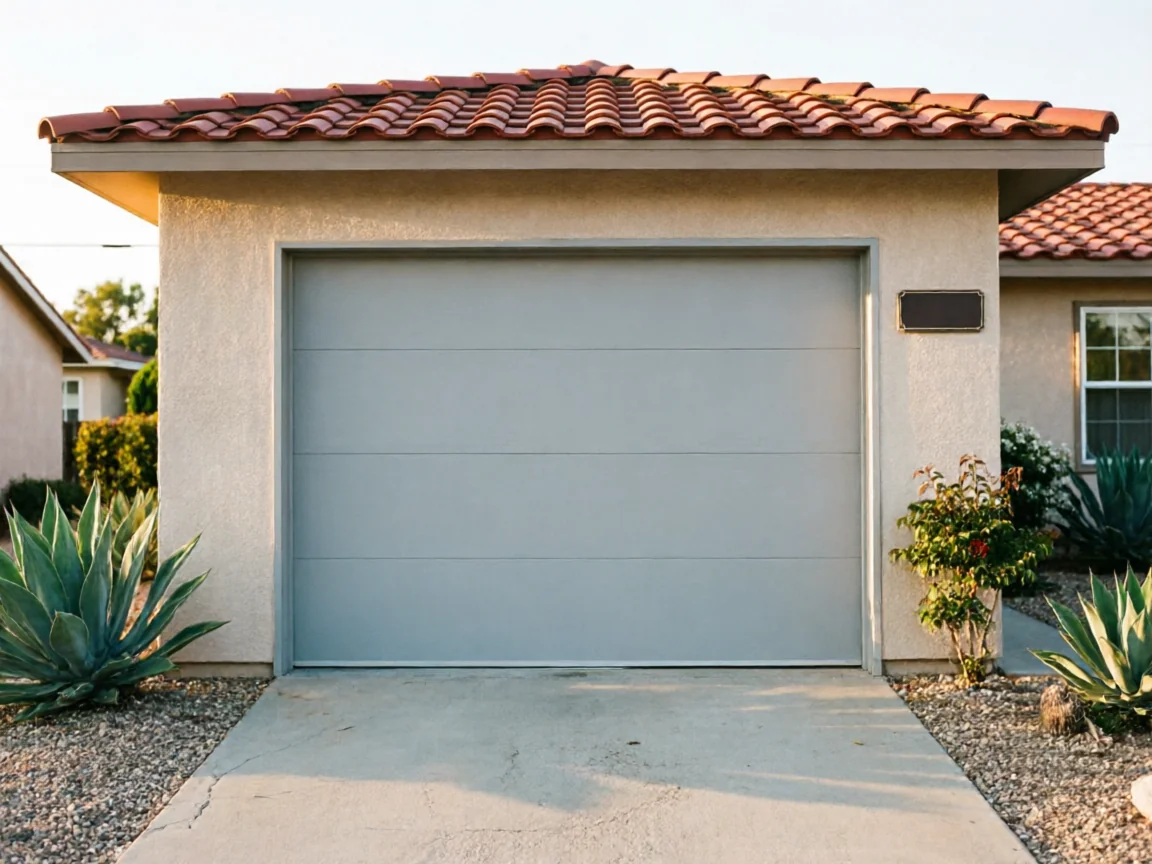
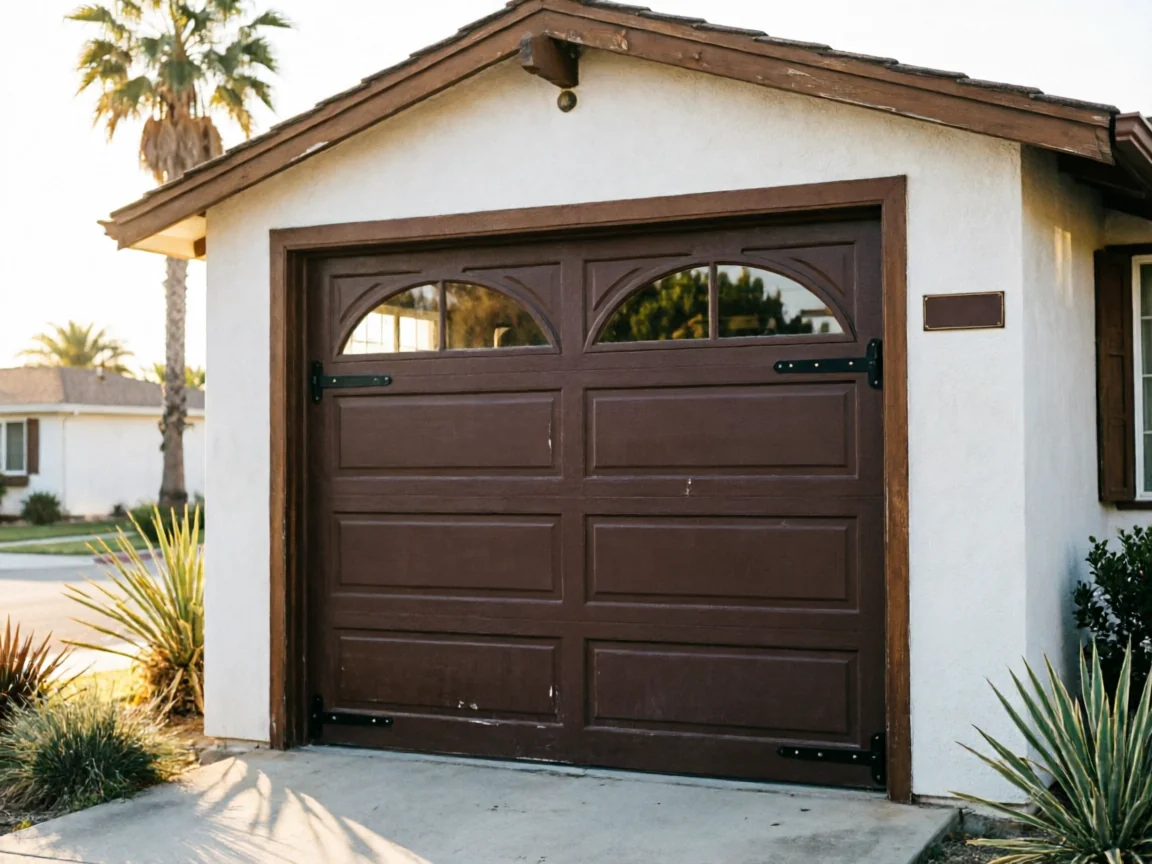
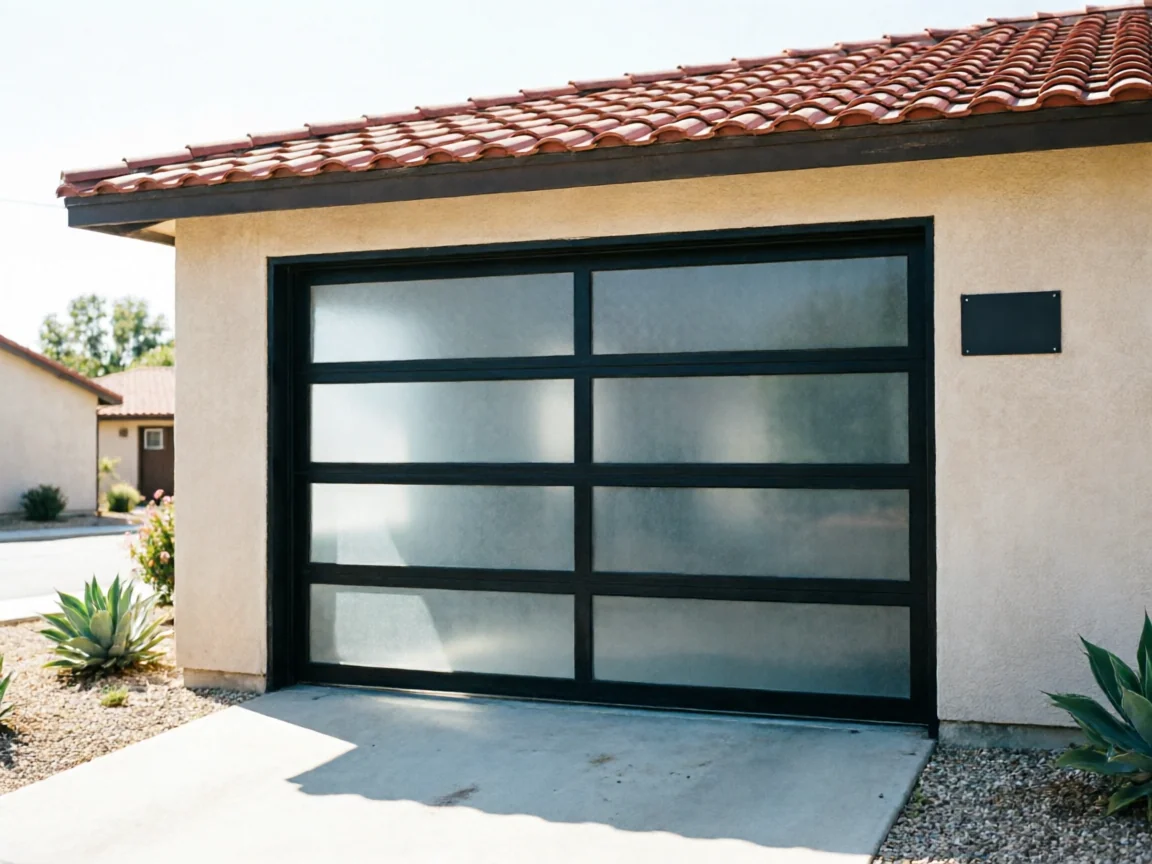
Recent garage door projects in Folsom
A look at doors, openers and springs we've installed and serviced across the Folsom metro.
Where We Work
Serving Folsom & nearby communities
Neighborhoods across the city and suburbs around the metro. Not sure if we reach you? Just ask.
Local Expertise
What to know about garage doors in Folsom
What Gets Built Around Here
Most of the houses we work on went up between 1962 and 2004, with the median build year sitting around 1981. That's not a random stretch of decades - it means the bulk of the garage doors in this service area are either original steel sectional doors from the Carter-to-Clinton years or a replacement installed sometime in the 90s when the first one wore out. Across the 28 communities we cover, from Orangevale five miles out to Placerville nineteen miles away, the pattern repeats: 1980s and 90s construction, standard 7-foot openings, torsion springs mounted on a header bracket that was fine for its time but isn't always fine now. We see a lot of the same door models because a lot of these neighborhoods were built by the same handful of production builders in the same ten-year window. That's useful for us - we know what's behind the panel before we open the truck. It also means parts compatibility is usually straightforward, though not universal; some of the oldest doors in the 1962-1970 range used hardware that nobody manufactures anymore, and on those jobs a full replacement is often the more honest answer than a patch repair.
What Breaks Around Here
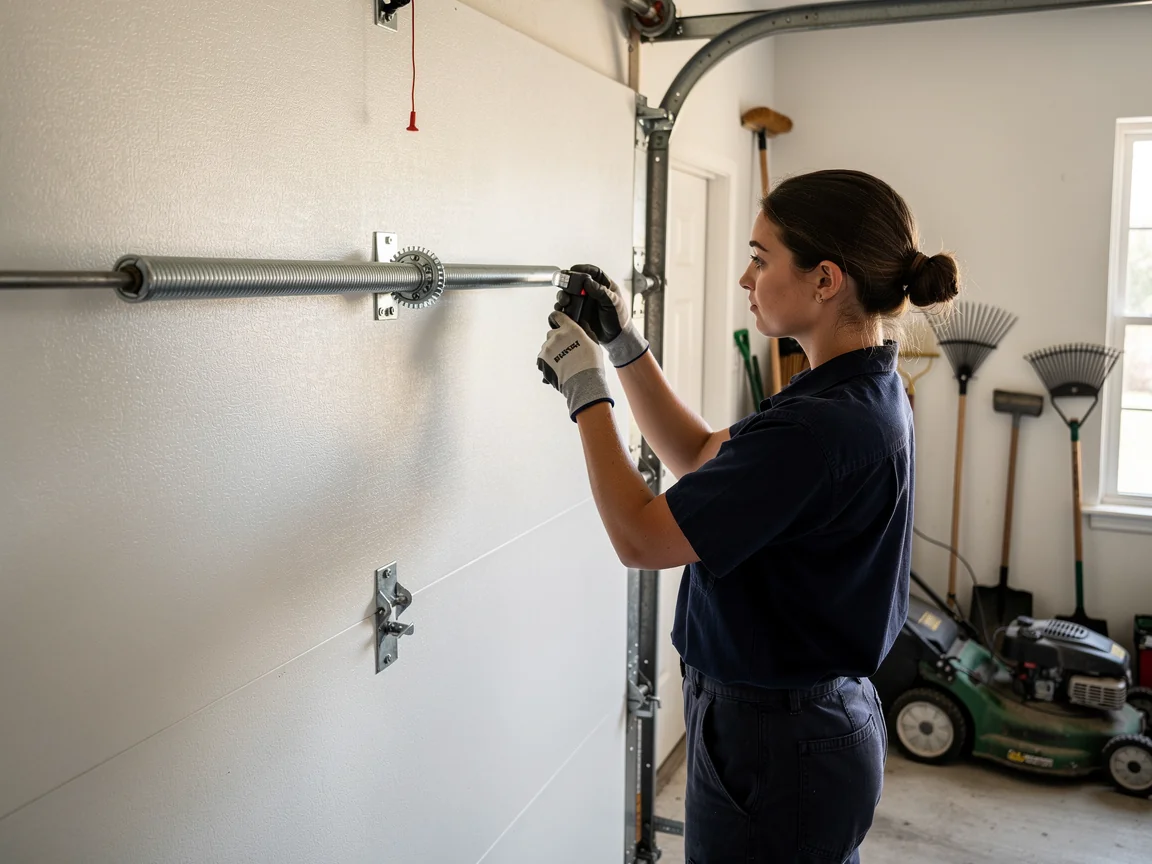
Steel doors from the 80s and 90s don't fail because of some local quirk - they fail because they're 30 to 40 years old. Springs wound that long ago have cycled tens of thousands of times and let go without warning, usually on a cold morning when the metal is stiffest. Rollers on original hardware are often the old nylon-and-steel combination that was standard then, and they groan and bind long before most owners notice the track underneath has walked out of alignment. The HEAT band we sit in is moderate rather than extreme, so we don't see the kind of panel warping that shows up in hotter climates, but we do see openers from that same construction era reaching the end of their motor life and chain-drive units stripping gears under a door that's heavier than they were built for. If your house falls into that 1962-2004 range - and odds are good it does - the door itself has probably outlived at least one opener already.
What Happens When You Call
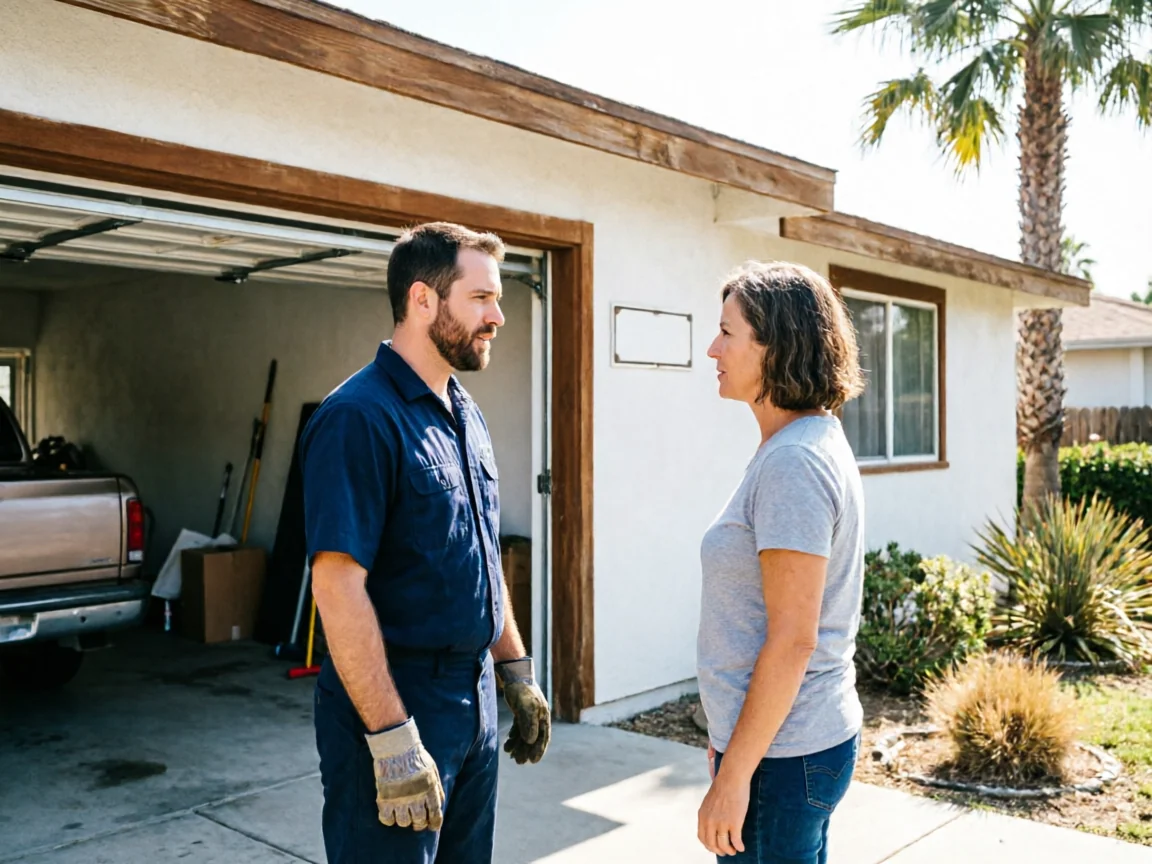
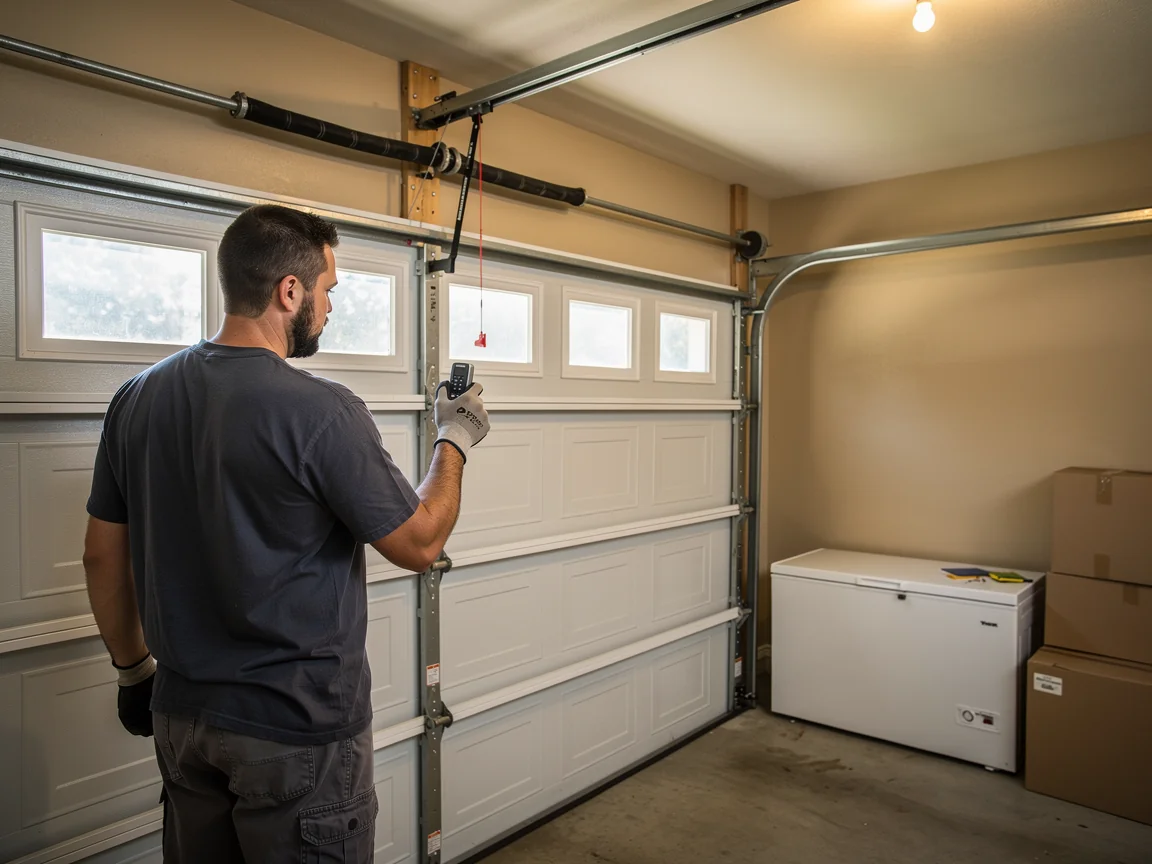
You tell us what the door is doing - won't open, makes a bang, opener runs but nothing moves, stuck halfway - and we ask enough questions to get a read on whether it's a spring, a cable, an opener board, or something in the track. We don't quote a flat rate over the phone for anything beyond a basic service call, because a broken spring on a single door and a bent track on a double door are different jobs with different parts. What we can tell you up front is whether it sounds like a same-day fix or something that needs a part ordered. We work across the area out to Placerville and Cameron Park, so where your house sits relative to Folsom affects how soon we can get there, not whether we'll show up.
Who Turns Up
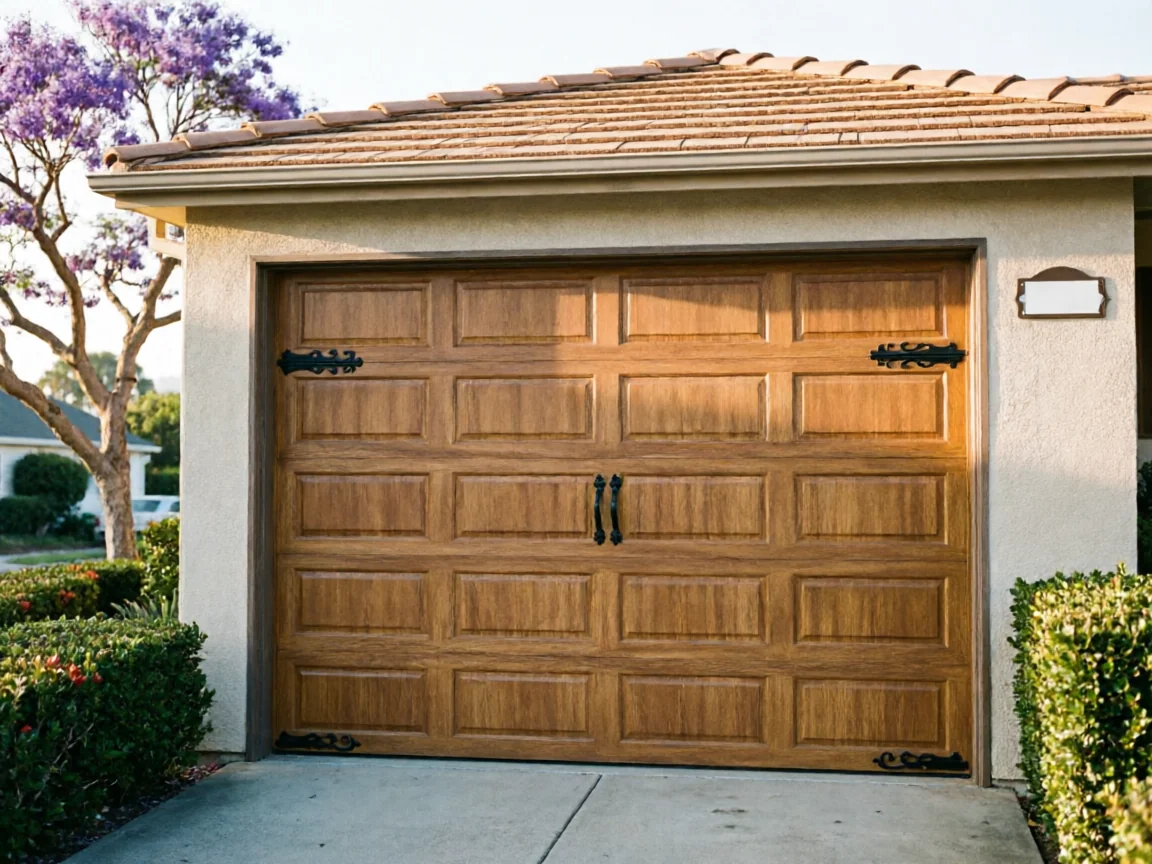
Whoever answers your call is the person who diagnosed the last thirty doors like yours, not a dispatcher reading a script. Given how concentrated the housing stock is in that 1962-2004 band, the tech on your driveway has very likely worked on the same door model, the same bracket style, the same opener chassis, more than once this month. That familiarity cuts guesswork out of the job - less time spent figuring out what's wrong, more time actually fixing it. We're honest when a repair isn't worth doing: if a door from the early end of that build range has a broken spring and an opener on its last legs, patching the spring alone just delays the next call, and we'll say so instead of quietly doing the smaller job.
What You Pay For
You're paying for parts, labor, and a tech who doesn't need to call someone else to figure out what's in front of him. Median household income across the service area runs close to $97,972, and with roughly 86,345 owner-occupied houses out of 169,115 households spread across these 28 communities, we see a wide range of jobs - everything from a simple roller swap to a full door and opener replacement. We don't pad an invoice with work the door doesn't need, and we'll tell you plainly when a repair is cheaper than a replacement and when it isn't. What we can't do is promise a part ships overnight for an obsolete hardware style from the oldest end of that 1962 build range - sometimes that's the one honest delay in an otherwise same-day trade.
Good to Know
Frequently asked questions
How old is a typical garage door you work on in this area?
Most of the houses we service were built between 1962 and 2004, with the median landing around 1981, so the typical door we open is a steel sectional from that era, either original or a single replacement installed sometime after. Hardware and spring sizing from that window is fairly predictable, which usually means faster diagnosis.
Do you work outside Folsom itself?
Yes. Our service area stretches out to communities like Orangevale, Fair Oaks, Gold River, Granite Bay, Cameron Park, and as far as Placerville and Shingle Springs. Distance from Folsom affects how quickly we can get to you, but we cover all of these areas.
Why did my spring break with no warning?
Torsion springs are rated for a set number of open-close cycles, and on a house built in the 80s or 90s, that spring has likely cycled tens of thousands of times already. They don't weaken gradually and give notice - they just let go, often on the coldest morning of the week when the metal is least forgiving.
Is it ever better to replace the whole door instead of repairing it?
Sometimes, yes. If your house is on the older end of the 1962-2004 range and the door has original hardware alongside a failing opener, patching just one part usually means another call soon. We'll tell you honestly when replacement is the better value instead of defaulting to the smaller repair.
Need a garage door fixed in Folsom?
Call now or request a quote - tell us what the door is doing and where you are.